Practice
01 / 06
One practice across both halves of the problem.
Strategy that knows what a factory can make. Sourcing that knows what the brand is for.
Brand consultancies hand over a deck and leave. Sourcing agents take a drawing and find someone to cut it. Between the two sits the work that actually decides whether a product is any good — and it is nobody's job.
A positioning that ignores minimums produces a range no factory will make at that price. A sourcing brief with no position behind it produces a competent garment nobody needed. Both failures look technical at the point they surface, and both were decided months earlier.
QTMBG runs the two together. The positioning sets the constraints; the range and the technical package are built inside them; the factory is chosen because it fits that specification rather than because it is on a list. When something has to give — and on every project something does — we know which end can absorb it.
We work primarily in apparel and textiles, with founders and small brands. That is deliberate. At this size a wrong factory is not a line item to be written off; it is a season, and sometimes a company.
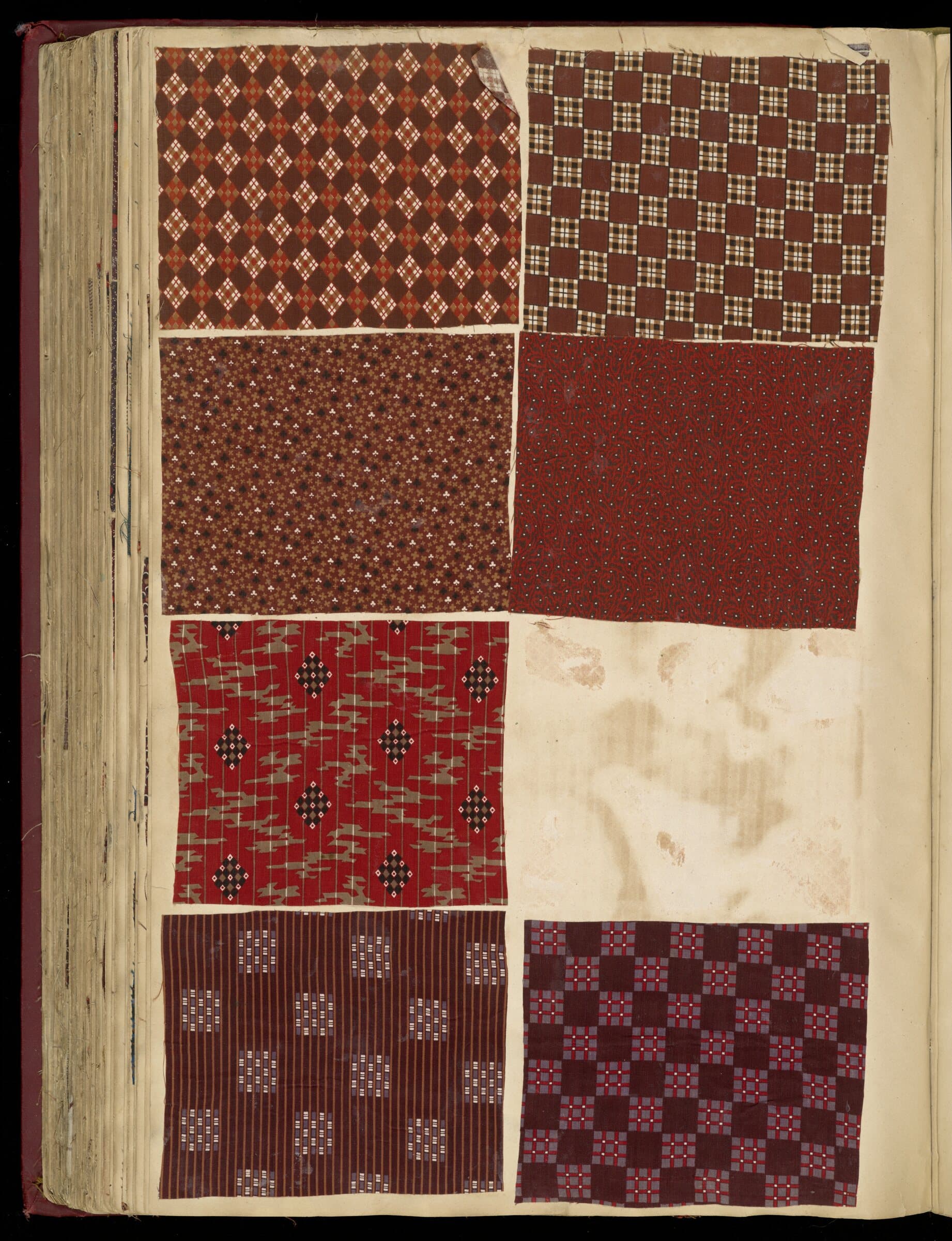
Who we work with
Founders at first production
Brands at second or third season
Brands changing market
Where we are not the answer
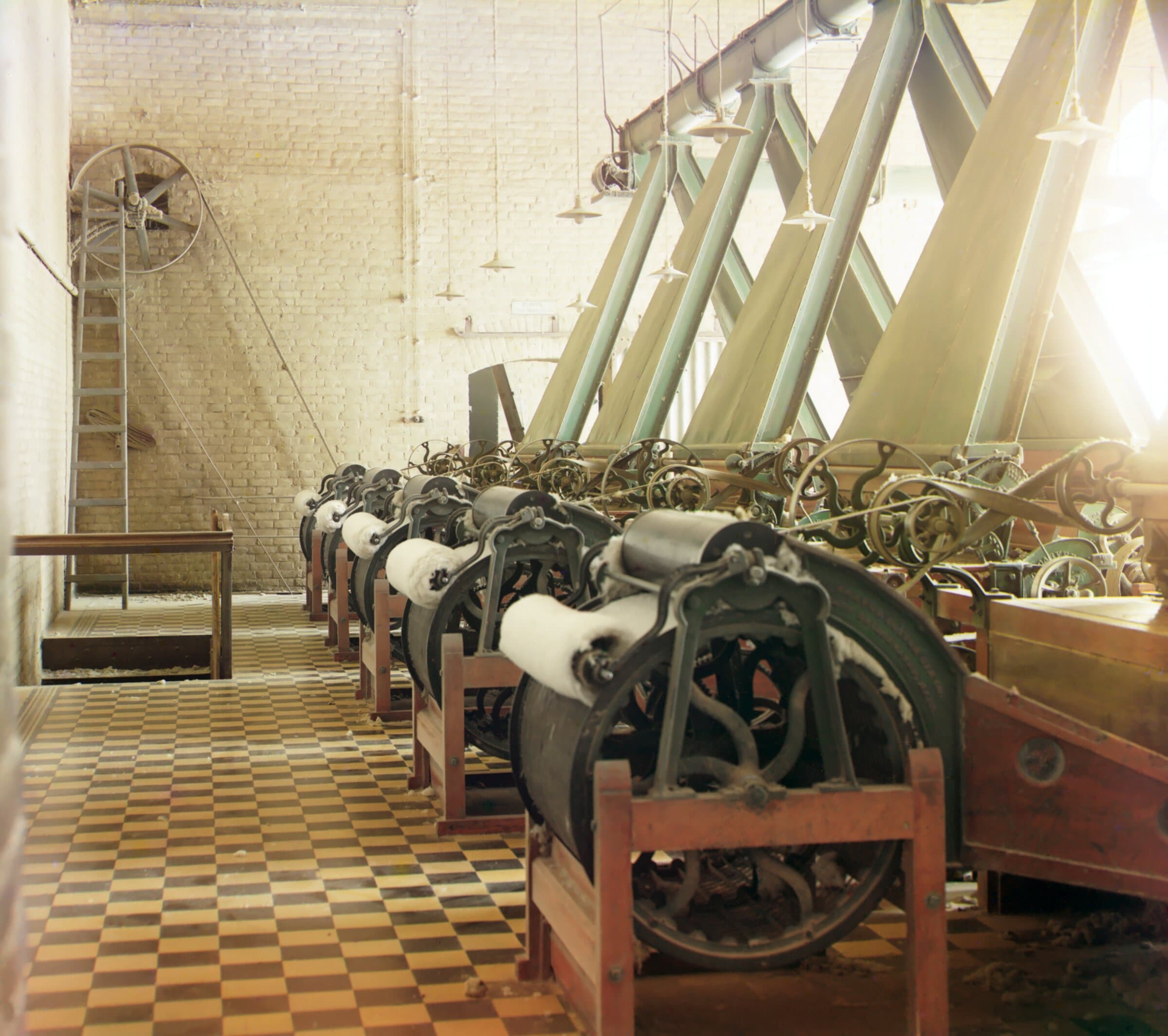
Pl. I — Cotton mill interior, Central Asia, 1911. Three-colour photograph by Sergei Prokudin-Gorskii.
Principles
Six positions we hold, including the ones clients dislike.
01
Positioning before specification
A tech pack cannot decide what a brand is for. We settle the position and the price architecture first, then build the product to it. Clients who arrive with designs already drawn usually find this is the step that was missing.
02
No best factory, only the right match
Machinery, minimums, calendar and compliance standing either fit a specification or they do not. We shortlist against the spec in front of us and say why, rather than routing every client to the same three factories.
03
Specify so that ambiguity is not paid for later
Every question a factory has to ask is a delay, and every assumption it makes without asking is a defect. A tech pack should let two factories on two continents quote the same garment.
04
Inspect to a standard, not to an opinion
AQL sampling under ISO 2859-1, gates agreed before cutting, and a pre-production sample signed off before bulk fabric is touched. A pass should mean the same thing every season.
05
The client owns the supplier
We are not a broker holding a relationship hostage. At handover the factory file, the contacts and the correspondence transfer to the client in full. If a brand outgrows us, it should be able to leave with its supply chain intact.
06
Say the uncomfortable thing early
That a target price is not achievable at that minimum. That a launch date has already slipped. That a market is wrong for the product. Late honesty costs a season; early honesty costs a phone call.
The house
QTMBG, by Quantum Branding.
QTMBG is the consumer-goods practice of Quantum Branding, operating as Quantum Branding LLC in Wyoming, United States. We act as an agent for the brand: we do not manufacture, we do not hold stock, and we do not take a position in the goods.
That matters commercially. An agent paid a fee has no reason to prefer the factory with the better margin for itself; it has every reason to prefer the one that fits the specification. At handover the factory relationship transfers to you in full — file, contacts and correspondence — because a brand that cannot leave is not a client, it is a hostage.
Enquiries
Start with a call, not a brief.
Twenty minutes is usually enough to tell whether the problem in front of you is positioning, specification or supply. Whichever it is, you will get a straight answer.
Open an enquiry